
Case Studies
From operational audits to execution frameworks, this is how structured systems replaced scattered workflows for real teams.
Transformed a growing agency from reactive execution to structured, predictable delivery through foundational frameworks.

Designed a centralized Notion-based operating system that unified clients, projects, and tasks into one source of truth.
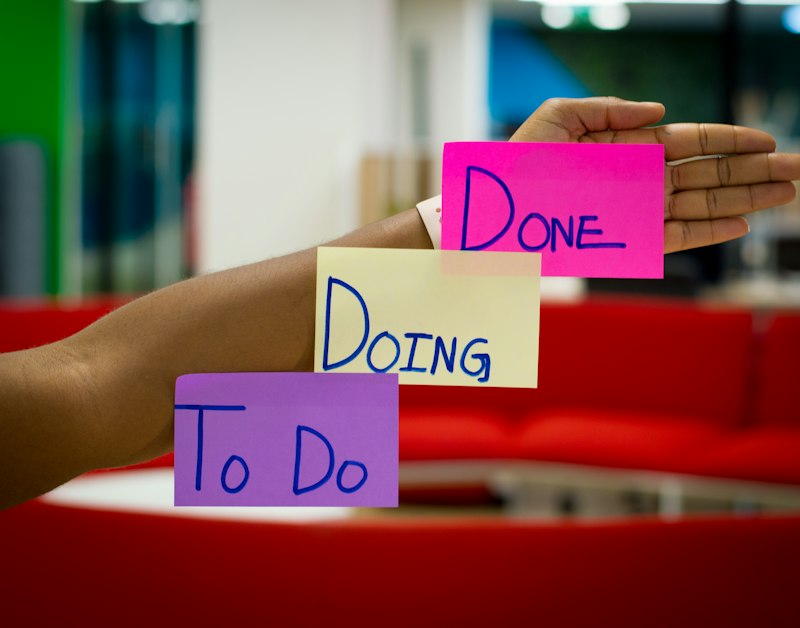
Shifted a remote operations team from busy work to impact-driven execution through a structured prioritization framework.

Built a rapid onboarding framework that took a new Project Manager from overwhelmed to operationally effective.

Client Type
Growing service-based agency
Engagement Type
Organizational audit & strategic advisory
Core Problem
Inconsistent delivery, unclear ownership, and lack of scalable structure
Scope of Work
Full audit of delivery operations, followed by strategic system design recommendations
The organization had strong collaborative energy and talent, but lacked the structural backbone to scale. This created:
At a deeper level, the business was operating on effort and communication, not systems and predictability.
Mapped how work actually flowed across client delivery lifecycle, task creation and delegation, communication loops, and tool usage and visibility gaps.
Identified misalignment between strategy vs execution, ownership vs accountability, and planning vs delivery.
Introduced core project management structures:
We reframed how the team approached work, from "What needs to be done?" to "What is the sequence, ownership, and delivery timeline?"
Increased clarity across all active projects
Reduced dependency on constant communication
More realistic and defensible timelines
Stronger foundation for scaling delivery operations
The team shifted from reactive execution to structured, predictable delivery.
It's a structural gap. By installing simple but powerful frameworks, execution becomes clear, trackable, and scalable.
Client Type
Growing agency with multiple clients
Engagement Type
System design & implementation strategy
Core Problem
No unified system for managing clients, projects, and tasks
Scope of Work
Design of a centralized project management ecosystem
The organization lacked a single source of truth. This resulted in:
At scale, this creates operational chaos disguised as "busy work."
Designed a centralized operating system composed of a Client layer, Project layer, Task layer, and future SOP layer. Each layer connects to create full visibility from Client to Project to Task to Execution. The result is a system the team can actually rely on and scale with.
Introduced session tracking (billable vs non-billable), shifted task creation ownership to production teams, and designed status frameworks to reflect real progress and blockers.
A Notion-based operational dashboard with:
Client health visibility, weekly reporting structure, payment tracking
Projects grouped by client, clear ownership + due dates, granular status system
Centralized execution tracking, personalized "My Tasks" views
Tracks billable vs non-billable time, enables profitability analysis
Full visibility across all clients and projects
Reduced time wasted searching for information
Clear ownership at every stage of execution
Higher adoption due to simplified system design
The team now operates from a centralized, scalable system.
Tools don't fail. Systems fail. When designed correctly, the tool becomes intuitive, adoption becomes natural, and execution becomes consistent.
Client Type
Remote operations team (VAs)
Engagement Type
Execution training & workflow optimization
Core Problem
Poor prioritization leading to inefficiency and missed impact
Scope of Work
Training and system for prioritizing tasks effectively
Team members were treating all tasks as equal priority, reacting to requests instead of managing workload, and lacking visibility into what actually drives impact. This led to:
Tasks categorized based on urgency, impact, and dependency.
Shifted thinking from "What was assigned to me?" to "What moves the project forward right now?"
Daily prioritization method, clear escalation rules, and defined visibility of what matters most.
Increased execution efficiency
Better alignment with project goals
Reduced delays on critical tasks
Improved confidence and autonomy
The team shifted from task completion to impact-driven execution.
Execution is about doing what matters most first, not doing more.
Client Type
Newly hired Project Manager
Engagement Type
Transition support & execution strategy
Core Problem
Difficulty onboarding into an already active project environment
Scope of Work
Structured onboarding and integration framework
The new Project Manager entered mid-project with incomplete context, without clear documentation or system visibility, and with unclear ownership and history of decisions. This resulted in:
Rebuilt project visibility: current status, key deliverables, stakeholders, and risks.
Created a system to quickly answer: What is happening? What has been done? What is next? Who owns what?
Provided clarity on priorities, dependencies, and communication structure.
Faster ramp-up time for new Project Managers
Increased confidence in decision-making
Improved coordination with team members
Reduced dependency on constant clarification
The Project Manager transitioned from overwhelmed to operationally effective.

Most onboarding fails because it focuses on information, not context and clarity.
Every case study starts the same way. A real conversation about what is not working.
Book Your Free Systems Audit